Kunar, Afghanistan – A series of powerful earthquakes has devastated eastern Afghanistan this week, with officials confirming that the death toll from Sunday night’s 6.0-magnitude quake has risen to at least 2,205, making it one of the country’s deadliest natural disasters in decades.
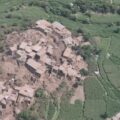
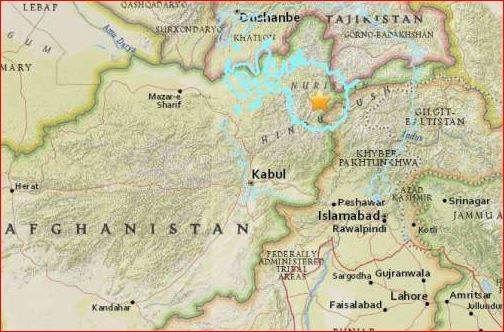
The initial tremor struck shortly before midnight Sunday in Kunar Province’s Nurgal District, a remote and mountainous region where most homes are built from mud and wood. Entire villages were flattened, with around 98% of buildings in Kunar damaged or destroyed, according to an assessment by the charity Islamic Relief.
Successive Shocks Intensify Crisis
Rescue efforts have been complicated by a series of aftershocks and fresh tremors:
-
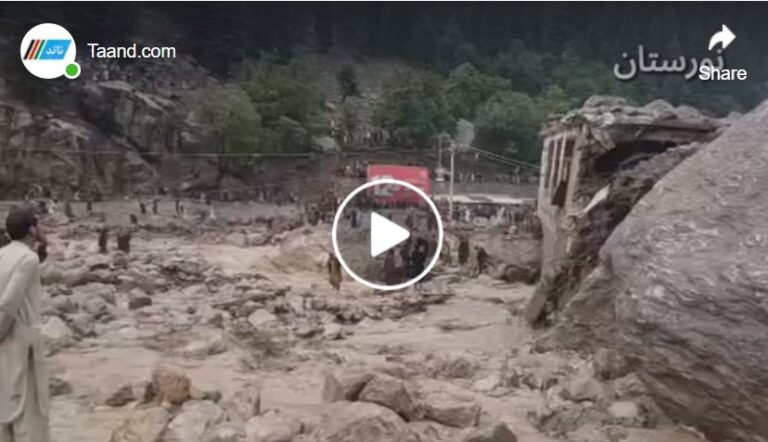
A 5.5-magnitude quake on Tuesday triggered landslides that blocked roads and caused panic among survivors.
-
A 6.2-magnitude quake struck again on Thursday night, followed hours later by a 5.6-magnitude tremor near Jalalabad in Nangarhar Province. Authorities have not yet reported additional casualties from Thursday’s shocks.
Survivors Struggling in Remote Villages
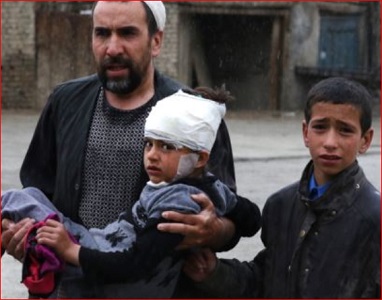
Rescuers have reached isolated villages where bodies continue to be pulled from the rubble. Thousands remain homeless, with many forced to sleep under open skies amid ongoing aftershocks.
Local resident Muhammad Israel described how a landslide buried his home, livestock, and belongings:
“All the rocks came down from the mountain. I barely got my children out of there. It is impossible to live there.”
He is now sheltering in a UN medical camp in Nurgal, though conditions remain dire: “We don’t have shelter and are living under open skies,” he said.
Humanitarian Response Under Strain
Aid groups warn of a severe funding and resource shortfall as they try to respond:
-
The Norwegian Refugee Council reported it has fewer than 450 staff in Afghanistan, down from 1,100 last year, and only one warehouse with no emergency stock. The group currently has just $100,000 available, leaving a $1.9 million funding gap.
-
UN officials confirmed that more than 84,000 people have been affected, and urgent needs include shelter, medicine, clean water, and food.
-
A doctor working in the UN camp, Shamshair Khan, warned: “Neither these medicines are enough nor these services. These people need more medicine, tents, food, and clean drinking water.”
The Taliban government has deployed helicopters and commandos to assist in rescue operations. But rough, mountainous terrain and frequent landslides have slowed aid deliveries, with some teams forced to walk for hours carrying supplies on their backs.
Broader Crisis in Afghanistan
The disaster strikes as Afghanistan already faces severe challenges, including drought, a collapsing economy, and the forced return of more than 2 million refugees from Pakistan and Iran. Since the Taliban regained power in 2021, international aid flows have fallen sharply, with the withdrawal of USAID funding earlier this year leading to the closure of many hospitals and clinics.
Outlook
With survivors still being pulled from the rubble and aftershocks continuing to shake the region, aid agencies warn that the death toll could rise further. Relief groups say immediate international support is critical to prevent further loss of life in Afghanistan’s quake-hit eastern provinces.
About the Author