By: Yama Hotak
I read Mikhail Sholokhov’s Quiet Flows the Don quite recently. One part that stayed in my mind was Grigory Melekhov’s return home after fighting in the First World War. Dr. Latif Bahand spent seven years translating this novel into Pashto. Through his work, Afghan readers who do not know Russian can read about the Don Cossacks in their own language.
Grigory comes back to the Don River, a place he has known since childhood. He is home again, but the troubles of war have followed him. The people around him have changed, and he cannot simply continue his old life.
I thought of families in Afghanistan who left their villages during the years of conflict. Some returned to their houses and familiar roads, but not to the same neighbors or the same family life. This was the part of Grigory’s story that stayed with me.
Grigory wants to live near the Don with his family. But the people around him are taking different sides, and this also causes problems in his family. Even after coming home, he cannot get away from what is happening around him.
Pantelei Melekhov, Grigory’s father, cares deeply about the customs of his Cossack community. He and his son do not always agree. I have also seen how questions about tradition and change can create disagreements between older and younger people in Afghanistan.
Political disagreements also enter the homes of other villagers. Neighbors and relatives take different sides. We have seen in Afghanistan that conflict can leave problems between people long after a battle has ended.
I liked reading about the Don River and how people worked and lived in the villages. Sholokhov also writes about their customs. These parts gave me a better idea of the life the characters had before the war and what they did not want to lose.
Sholokhov grew up in the Don region. While reading his descriptions, I felt that he knew village life very well. He writes about the war, but he also spends time on what happens between family members and neighbors. I found these details important because the characters have problems of their own, even when there is no fighting around them.
The First World War, the Russian Revolution and the civil war in Russia are all part of the story. Afghanistan has also suffered from war, but our history is not the same as Russia’s. I did not try to connect every event in the book with Afghanistan. I was more interested in how the fighting changed the lives of the families and what happened when it reached their villages.
In different parts of the novel, we see fathers and sons disagreeing with each other. Some families also face difficult decisions about staying in their villages or leaving their homes. I found these parts interesting because Sholokhov shows how the war affected people in their daily lives, beyond what was happening on the battlefield.
I would like to see more Afghan writers tell stories about families who lived through the years of war. I am interested in the problems they faced at home, the disagreements between family members and the reasons some of them finally left their villages after living there for so long.
Sholokhov received the Nobel Prize in Literature in 1965. Among his other works are Virgin Soil Upturned and The Fate of a Man. But in this article I am writing about Quiet Flows the Don, especially my experience of reading it in Pashto and what it may offer Afghan readers.
Reading about Cossack village life in Pashto was interesting for me. Some of their customs reminded me of life in Afghan villages, while others were quite different. I enjoyed learning about both, without trying to find an Afghan example for everything in the novel.
The Importance of Translating Literary Works
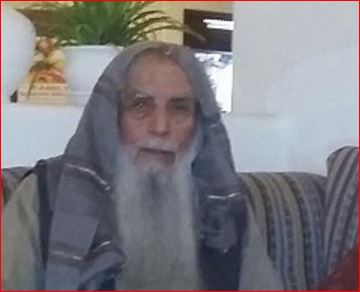
Dr. Bahand was an Afghan scholar and a former ambassador to Russia. Seven years is a long time to work on one novel. I appreciate that he made this book available in Pashto, especially because its characters and village customs come from a society different from ours.
For Afghan students who are interested in Sholokhov but do not understand Russian, the Pashto translation provides an opportunity to read his work. I am also interested to know how Dr. Bahand translated the conversations, local expressions and customs of the Cossack people into Pashto. Since I have not read the Russian version, I cannot make a comparison between the two versions.
I also talked about the novel with a few readers in Kabul, including young students who had read it in Pashto. We discussed the characters and the problems they faced in their families. I found that we did not always understand the disagreements in the same way. Some readers pointed to parts of the story that I had not thought much about when I first read the book. I enjoyed hearing their views and talking about those parts again.
I was particularly interested to know which parts of the novel had remained in their minds after reading it. Not everyone spoke about the same things. I would like to discuss some passages with these readers again, especially the disagreements within families.
A year after reading the novel, I still think about Grigory coming back to the Don. He reaches home, but he cannot return to the life he knew. In Afghanistan, many families have also returned after years away. What happens after they reach home is a question I continue to think about.
About the Author